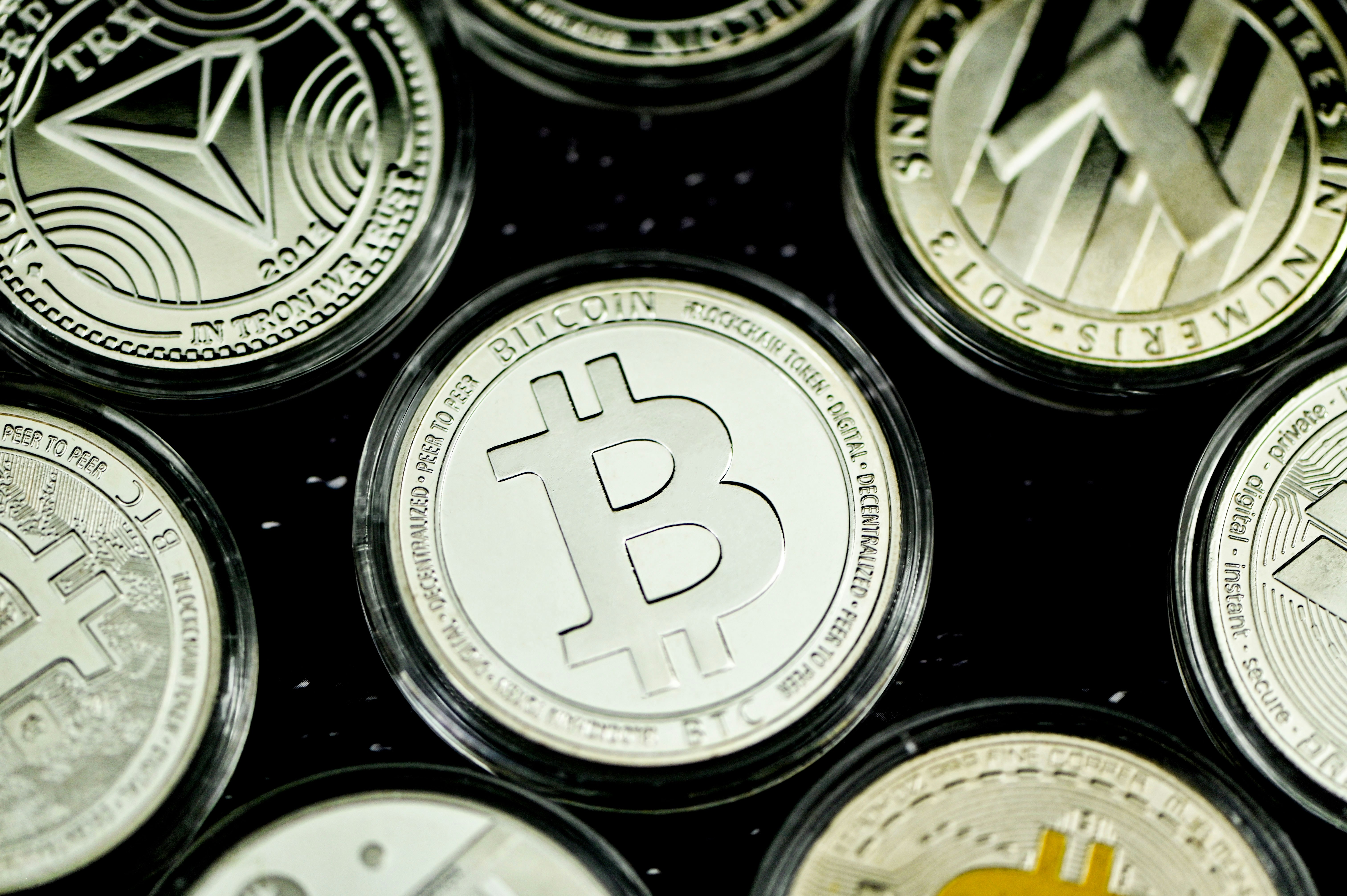
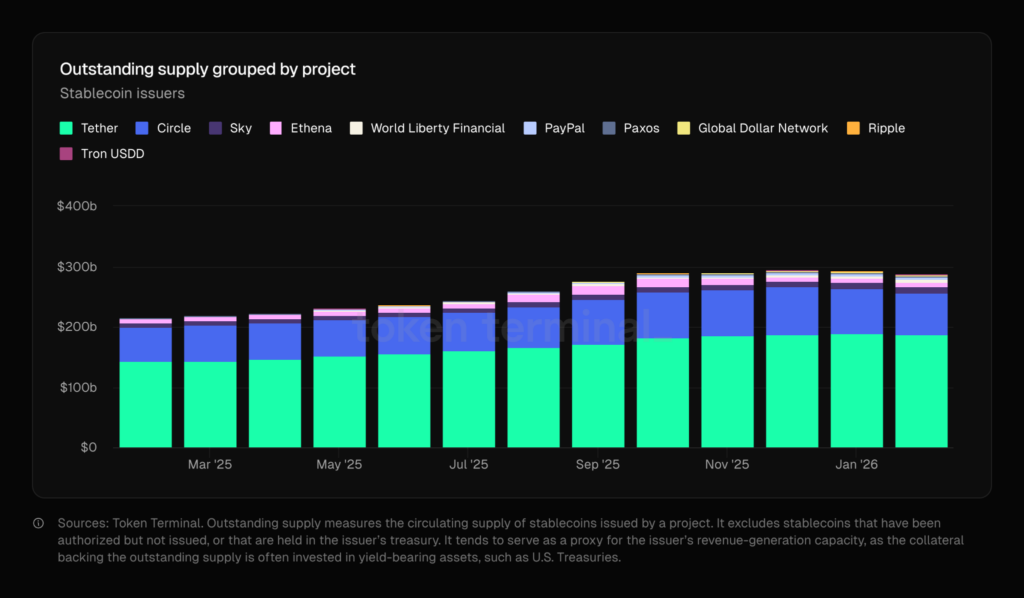
The legacy finance system of banking and the payments industry is very fragmented. Dollar stablecoins are needed in most of the world because it is so hard for average people to get bank accounts with dollars. These foreign businesses and consumers need to securely move their money as their local currencies lose value versus the dollar. Stablecoins offer cheaper and faster movement, a programmable digital dollar, and 24/7 access to those dollars.
In our podcast Crypto and Down, we discuss the role of stablecoins in the blockchain ecosystem and their differences in our February 4th Episode. Watch here:
Different Types of Stablecoins
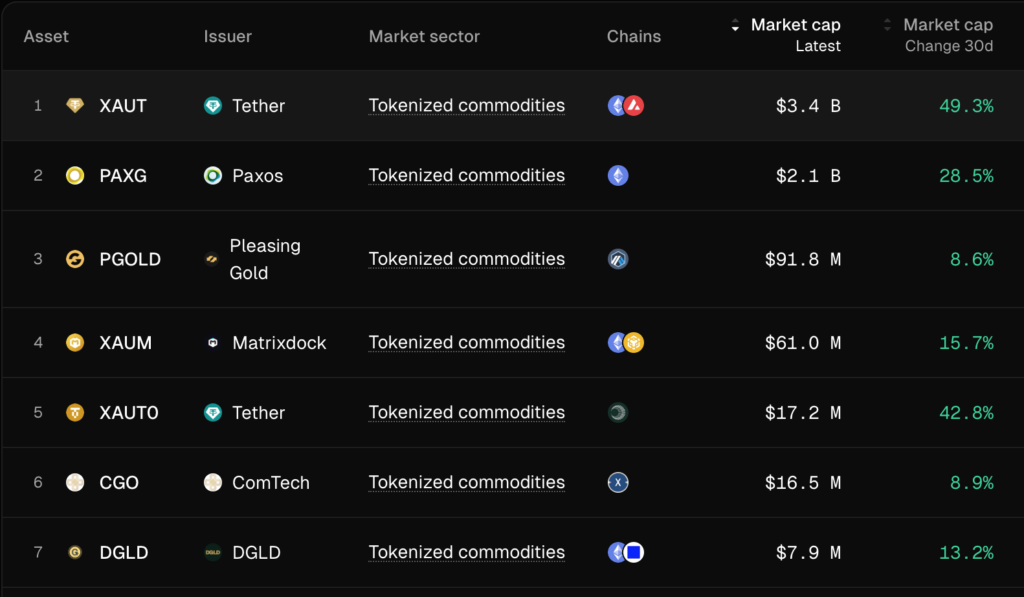
There are 4 main types of stablecoins that run on blockchains Fiat collateralized, Crypto collateralized, Algorithmic, and Commodity collateralized. Fiat Collateralized Stablecoins like USDT and USDC are the most popular. These tokens are backed by fiat currency, government treasuries, or cash. Crypto Collateralized stablecoins are backed by a basket of different crypto currencies. Stablecoins like DAI are over collateralized by cryptocurrencies like Ethereum and others. Meaning for every one dollar of DAI issued, you would need two dollars of Ethereum. MakerDAO is a company that issues and collateralizes DAI through various smart contracts. Algorithmic Stablecoins are backed via smart contracts or algorithms. These rules control the circulating supply and the price of the token. For example, if the token lost its dollar peg tokens would be issued or removed from the overall supply to adjust the price back to a dollar. Popular coins of this type include USDD and Frax. Commodity Stablecoins are usually backed by physical assets like metals, oil, real estate, etc. The most popular versions are Tether Gold (XAUT & XAUT0) and Paxos Gold (PAXG).
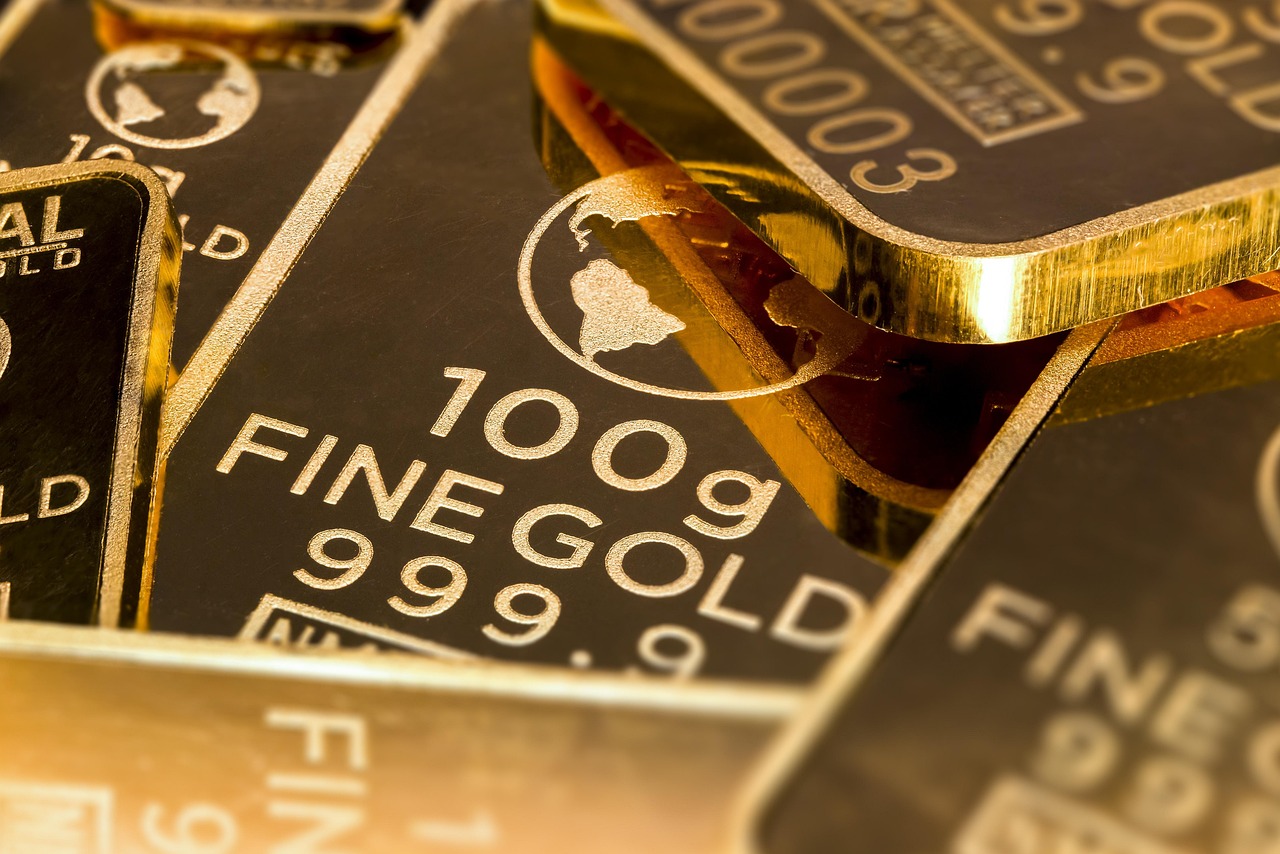
An overlooked reason for the increase in the price of Gold is that companies Paxos and Tether are continually buying this metal. Of course, other buyers include Central Banks and countries like Poland and Azerbaijan purchasing gold for their reserves. Paxos and Tether provide different infrastructure models for stablecoins issuance. They are competing in emerging markets and the United States. These leaders in the Stablecoin space bring tokenized Gold to the market with verifiable reserves. Gold backed crypto currencies are on the rise. Buyers of these assets get access to gold without having to store it physically. Tokenized gold allows people to have verifiable fractional ownership.
Hyperliquid: The Rise of Commodity Perpetuals
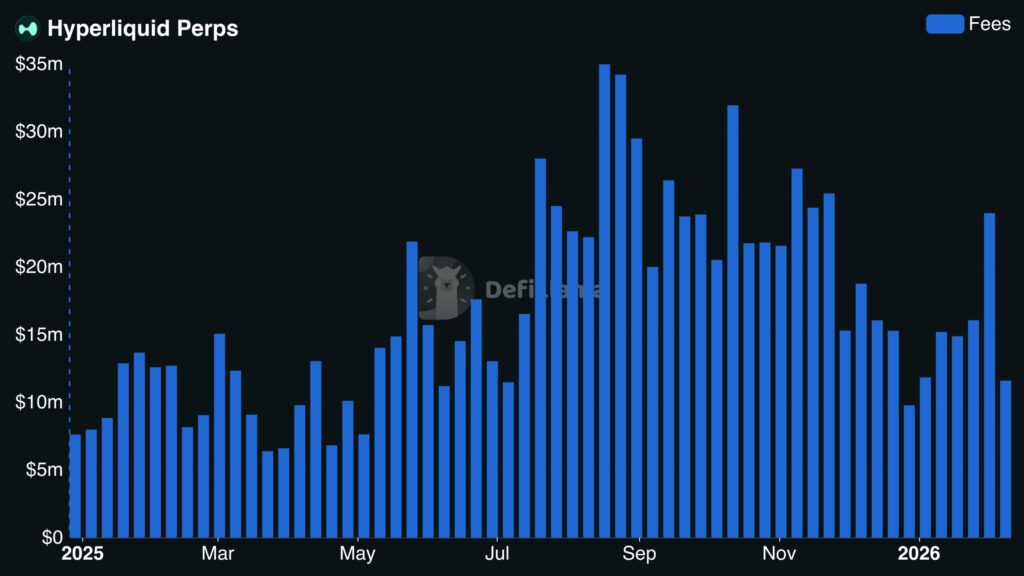
Another protocol seemingly benefiting from the surge in metal prices is Hyperliquid. In late January of 2026, Hyperliquid token rose during a commodities trading frenzy on the platform. Hyperliquid is a blockchain that enables Perpetual futures. Perpetual futures, aka perps, are crypto derivative contracts that allow traders to speculate on an asset’s price without an expiration date or ownership of the underlying token.
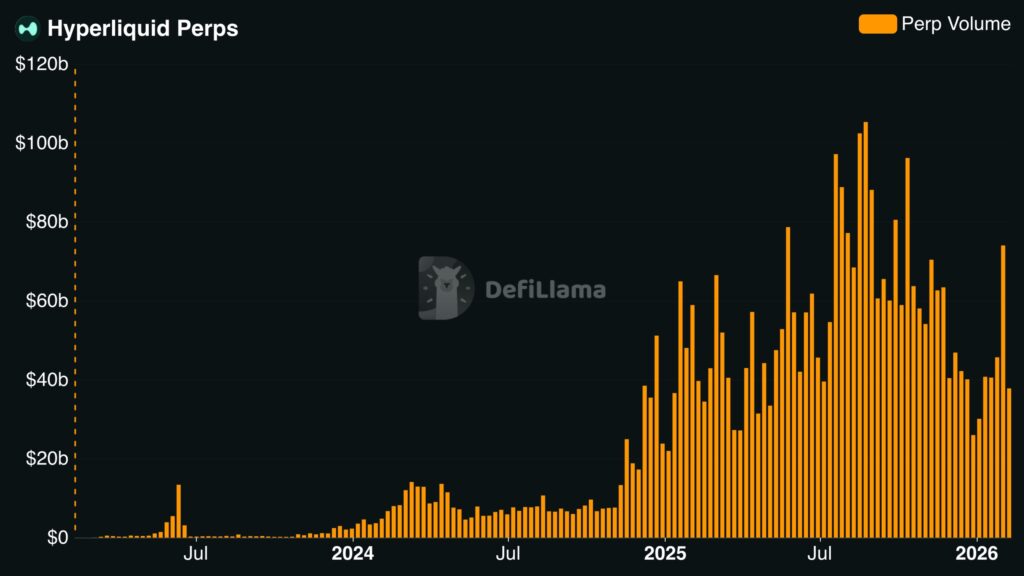
The token prices and activities have increased on top Perpetuals platforms with the rise of gold and silver. This trading frenzy generated more fees for the Hyperliquid platform. Hyperliquid uses the revenue from these fees to buy back and burn the Hype token. This makes the price action bullish in the eyes of many but this is still up for debate on whether this buyback model will continue to drive price appreciation.
Tether Impacts Gold Markets
Per Coindesk, Tether is buying close to 1 billion dollars worth of Gold every month. Tether plans to continue these efforts for the next few months. Per Coindesk, Tether is buying two tons of gold per week. And they’ve added 140 ton stockpile that is worth around 24 billion. They may be hedging their bets that the United States will renew their efforts in taking Tether to court. Tether has two tickers for tokenized Gold XAUT and XAUT0. The former is deployed on blockchains such as Ethereum and Avalanche; while the latter according to the UXAUT0 website, “brings programmable, omnichain mobility to one of the world’s most trusted store of value. XAUt0 enables fast, secure, and cost-efficient cross-chain transfers while maintaining a strict 1:1 backing with XAUt0, redeemable for physical gold held in Swiss vaults”.

Paxos Gold USD Flows
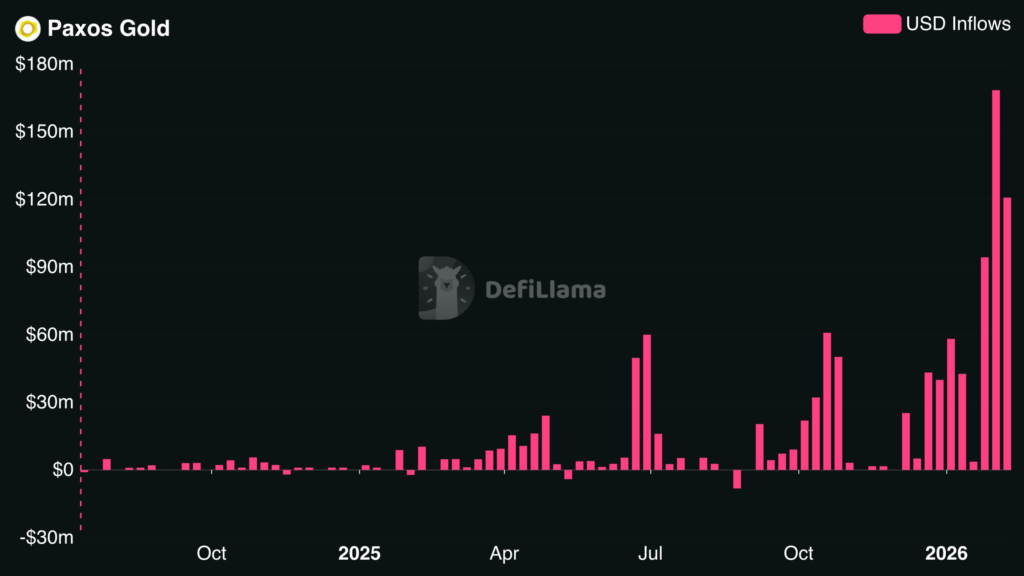
Paxos is a blockchain and tokenization infrastructure platform. They operate an internet based financial system and offer a suite of services to institutional clients such as banks and FinTech companies. For example, PayPal, Nubank, Venmo, interactive brokers, and others use Paxos to offer crypto services. Paxos’ gold token experiences massive inflows from crypto investors. An influx of US dollars have flowed into the Paxos Gold protocol. Their gold tokenized gold reserves sit in London vaults.
The Paxos Value Proposition
I watched an interview with Raol Paul and Paxos Co-Founder and CEO, Charles Cascarilla. This was very interesting and insightful because it is rare to hear directly from a builder/founder in the crypto space. Charles over the past decade has set his company into a position to capitalize on the United States push into cryptocurrency and stablecoins. After watching their discussion, I came away with a better understanding of Paxos value proposition and a framework to view this new era in cryptocurrency. You can find the full interview here :
Paxos solutions and services combine infrastructure and tokenization. Their wallets enable firms to launch tokens, buy and sell crypto. They also allow merchants to accept payment in stablecoins and turn those payments into cash when necessary. The solutions they provide are a gold token and other tokenized dollars through stablecoins. They are now issuing a yield bearing stablecoin. Charles described how Paxos’s neutral infrastructure is key to their success and value proposition that make them attractive to a variety of institutions. It is irresponsible for institutions to rely on digital networks that are provided by competitors.
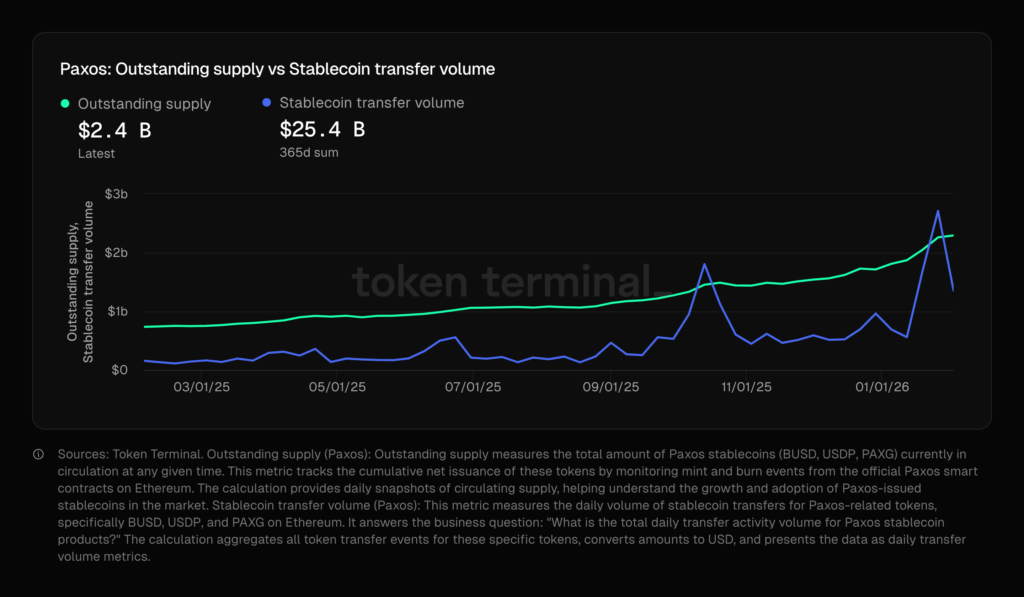
Charles described how Paxos’s stablecoin offerings differ from the Tether and Circle in that Paxos gives their stable token as a cash equivalent. Anyone who purchases a USDC or USDT is giving these companies a zero interest loan. These companies are taking that loaned dollar and purchasing US treasuries and other assets while the customer assumes the liability. Instead, Paxos set up their stablecoin’s through a trust to be a cash equivalent. Per Charles, no matter what happens to the company Paxos, users of their stablecoins will always be able to redeem. He also believes that this crypto cycle is a fundamental driven cycle, instead of narrative driven. In the past, Crypto cycle participation was mostly driven by price. Charles expects that all financial institutions will be launching crypto and stablecoin applications in the near future.
Bankruptcy Risk
Famous investor Michael Burry, known for predicting the subprime mortgage crises in 2008. He is warning investors that if bitcoin’s price continues to drop silver and gold may fall along with it. He suggests that late January to early February’s big sell off in Gold and Silver was attributed to bitcoin’s selloff. He sees continued price depreciation in bitcoin leading to bankruptcies for crypto holding companies and bitcoin miners. In his sub stack he posted a chart saying he looks at patterns and the price of Bitcoin is in a similar pattern as the 2020 – 2022 timeframe. Michael says, “What rescued the markets from the grip of a banking crisis in 2023 was the AI trade”
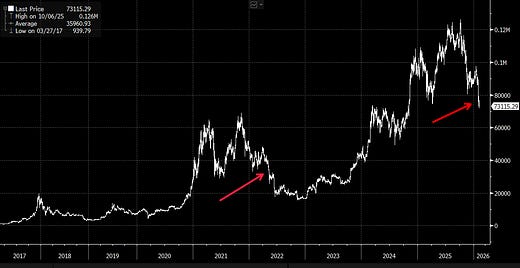
Even with the historic gains in the metal markets there is still significant risk to cryptocurrency and metal investors as these sectors have become intertwined. Since Paxos and Tether claim to have the actual reserves for their tokenized gold they may be able to withstand a major downturn in the market. Time will tell if these two companies are less risky than traditional exposure to metals through ETFs and paper where the companies offering these products don’t have the reserves to back the issuance.